
Exploring the subconscious triggers that drive gambling behavior
The Psychology Behind Gambling
Gambling is not merely a game of chance; it is deeply rooted in psychological factors that influence individuals’ decisions. The thrill of risking money can trigger a rush of adrenaline, leading to a heightened sense of excitement. This is often linked to the release of dopamine, a neurotransmitter associated with pleasure and reward. Many gamblers experience a euphoric state during gameplay, which can create a cycle of seeking more risk in pursuit of that elusive high. Understanding the withdrawal process is key, as detailed on https://misterxcasino.uk/withdrawal/ can help players manage their winnings effectively.
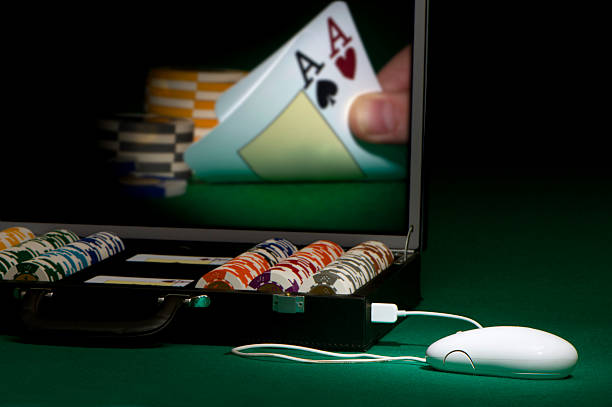
Moreover, cognitive biases play a significant role in gambling behavior. For example, the illusion of control can lead individuals to believe they can influence outcomes, which is particularly evident in games like poker or blackjack. These psychological triggers can result in players overestimating their skills, leading to increased betting and, ultimately, the potential for significant losses. Understanding these cognitive processes can provide insight into why individuals may continue to gamble, even when the odds are against them.
Social and environmental factors further contribute to gambling behavior. Many individuals are influenced by their surroundings, such as friends or family members who gamble. The normalization of gambling within certain social circles can reduce the perceived risks and enhance the allure. In addition, promotional strategies and advertisements often create an enticing atmosphere, making gambling seem more appealing and accessible. Understanding these influences is crucial for recognizing the broader context of gambling behavior.
The Role of Emotions in Gambling
Emotions significantly influence gambling decisions, often leading individuals to act against their better judgment. Positive emotions, such as excitement or happiness, can propel someone to gamble more, as they seek to prolong those feelings. Conversely, negative emotions like stress or anxiety can lead to impulsive decisions, as individuals may gamble in hopes of escaping their problems. This emotional rollercoaster creates a complex relationship with gambling that can be difficult to break.
The concept of “chasing losses” is a critical emotional trigger. When players lose money, their emotional response may drive them to gamble again in an attempt to recoup their losses. This behavior can lead to a dangerous cycle, where individuals gamble excessively to recover funds, often resulting in deeper financial distress. Understanding this emotional aspect can help individuals recognize when their feelings are influencing their gambling decisions, enabling them to make more rational choices.
Furthermore, the anticipation of a win can evoke strong emotions, often leading to irrational behavior. The excitement of potential winnings can cloud judgment, encouraging players to gamble more than they initially intended. This phenomenon is particularly prominent in games with variable rewards, where sporadic wins fuel the desire to continue playing. Acknowledging these emotional triggers is essential for anyone looking to understand the deeper motivations behind gambling behaviors.
The Influence of Marketing and Advertising
Marketing strategies and advertising play a pivotal role in shaping gambling behavior by creating an illusion of easy wins and lifestyle enhancements. Casinos and online gambling platforms invest heavily in promotions, often featuring testimonials and imagery that glamorizes gambling experiences. This marketing narrative can distort reality, leading potential gamblers to underestimate risks and overestimate their chances of winning. By presenting gambling as a glamorous pastime, these advertisements can effectively entice individuals into participating.
Additionally, the use of loyalty programs and bonuses further incentivizes gambling. These strategies tap into psychological triggers by offering players rewards for their continued engagement. As individuals accumulate points or bonuses, they may feel compelled to keep gambling, driven by the desire to unlock further benefits. This creates a loyalty loop that can be hard to break, as the perceived value of rewards outweighs the potential risks involved in gambling.
Social media and influencer marketing also contribute to the normalization of gambling. With the rise of online platforms, gambling-related content is frequently shared and promoted. This creates a social environment where gambling appears acceptable and even desirable. Individuals may feel pressure to engage in gambling behaviors to fit in or be seen as adventurous, making it essential to recognize the powerful effects of marketing and social influence on gambling habits.
The Biological Factors of Gambling Addiction
Biological factors also contribute significantly to gambling behavior, particularly regarding addiction. Research indicates that certain individuals may have a genetic predisposition to addictive behaviors. For these individuals, engaging in gambling can activate the brain’s reward pathways more intensely, leading to compulsive behaviors and a higher risk of addiction. Understanding these biological underpinnings can illuminate why some people may struggle more than others with gambling-related issues.
Neurotransmitters, such as dopamine and serotonin, play crucial roles in regulating mood and impulse control. Dysregulation of these neurotransmitters can lead to increased cravings for risky behaviors, including gambling. This biological aspect is compounded by psychological triggers, creating a potent combination that can lead to problematic gambling patterns. Recognizing these biological influences can provide a more comprehensive understanding of gambling behavior and its complexities.
Furthermore, environmental factors can interact with biological predispositions. Stressful life events or changes in personal circumstances can amplify biological vulnerabilities, pushing individuals toward gambling as a coping mechanism. This interplay highlights the importance of addressing both biological and environmental factors when considering treatment and prevention strategies for gambling addiction.

Mister X Casino: Guiding Gamblers Through Responsible Practices
Mister X Casino is dedicated to enhancing the gambling experience by providing comprehensive resources on responsible gaming practices. The platform emphasizes the importance of understanding one’s triggers and urges, offering valuable insights into managing gambling behaviors effectively. By focusing on responsible gambling, users can gain awareness of their emotional and psychological responses, helping them make informed decisions.
Additionally, Mister X Casino aims to educate users about the withdrawal process, ensuring that players can access their winnings smoothly and securely. By offering transparent information about various withdrawal methods, the site empowers individuals to engage in gambling with a clearer understanding of the financial aspects involved. This clarity can mitigate some of the stress associated with gambling, fostering a healthier relationship with the activity.
Ultimately, Mister X Casino is committed to creating a safer gambling environment. By prioritizing user education and responsible gaming, the platform not only enhances the overall experience but also contributes to the broader conversation about gambling behavior and its implications. The integration of clear information and resources allows players to enjoy their gaming experiences while remaining aware of their subconscious triggers.